
Introduction
Artificial intelligence and emerging technologies are rapidly transforming the modern digital world. From business automation and AI-powered systems to cybersecurity and cloud computing, technological innovation is reshaping industries, economies, and everyday life. Over the past few years, the global technology industry has experienced massive growth driven by advancements in artificial intelligence, machine learning, data analytics, and automation technologies. Companies worldwide are investing heavily in AI infrastructure to improve operational efficiency, customer experiences, and strategic decision-making. According to OpenAI and leading technology analysts, artificial intelligence is expected to become one of the most influential forces shaping the future global economy. Major technology companies including Google AI, Microsoft AI, and NVIDIA continue investing billions of dollars into AI research and innovation as global competition in the technology sector intensifies. As artificial intelligence continues evolving, understanding the future of AI and technology has become increasingly important for businesses, investors, startups, governments, and consumers worldwide.
The Rise of Artificial Intelligence
Artificial intelligence has become one of the most transformative technologies in the modern digital economy. Businesses across industries are integrating AI-powered systems to improve productivity, automate repetitive tasks, and strengthen data-driven decision-making.
AI technologies are increasingly used for:
-
- Customer support automation
- Predictive analytics
- Content generation
- Fraud detection
- Data analysis
- Personalized marketing
- Supply chain optimization
- Financial forecasting
According to McKinsey & Company, AI adoption continues accelerating across global industries as organizations seek competitive advantages through automation and digital intelligence. AI is expected to significantly reshape industries including finance, healthcare, education, logistics, e-commerce, and digital marketing over the next decade. The growing influence of artificial intelligence is also creating new business opportunities, startup ecosystems, and technology investment markets worldwide.
Generative AI Reshaping Industries
Generative AI has emerged as one of the most important technology trends of the modern era. AI tools such as ChatGPT and advanced language models are transforming how businesses create content, communicate with customers, and automate workflows.
Generative AI technologies are helping businesses:
-
- Create written content
- Generate images and videos
- Automate customer interactions
- Improve productivity
- Enhance software development
- Analyze complex data
According to MIT Technology Review, generative AI is expected to become a major driver of future digital transformation and business innovation. As AI systems become more advanced, organizations are increasingly integrating AI-powered tools into daily business operations.
Automation and the Future Workforce
Automation technologies are transforming the structure of the global workforce. Businesses are increasingly using AI-powered automation systems to improve efficiency, reduce operational costs, and optimize business performance.
Modern automation technologies include:
-
- Robotic process automation
- AI-powered workflow systems
- Smart manufacturing
- Autonomous systems
- Digital productivity tools
However, automation also raises concerns regarding workforce transformation and job displacement in certain industries. According to the World Economic Forum, while automation may replace some repetitive jobs, it is also expected to create new opportunities in technology, AI management, cybersecurity, and digital innovation sectors. The future workforce will likely require stronger digital skills, AI literacy, and adaptability to rapidly changing technologies.
Cybersecurity in the AI Era
As digital transformation accelerates, cybersecurity has become one of the most critical priorities for businesses and governments worldwide.
The increasing use of AI systems, cloud infrastructure, and digital platforms has expanded cybersecurity risks including:
-
- Data breaches
- AI-powered cyberattacks
- Identity theft
- Ransomware
- Financial fraud
- Privacy violations
According to IBM Security, cybersecurity threats continue evolving as hackers use increasingly advanced technologies and automation tools. Businesses that fail to strengthen digital security may face serious financial, operational, and reputational risks in the modern digital economy.
Cloud Computing and Data Infrastructure
Cloud computing has become the foundation of modern digital transformation. Businesses worldwide rely on cloud infrastructure to store data, improve scalability, and support AI-powered technologies.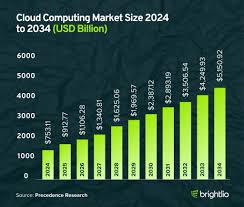
Modern cloud computing enables:
-
- Remote collaboration
- Big data processing
- AI infrastructure
- Business scalability
- Digital communication
- Global connectivity
Companies including Amazon Web Services (AWS), Microsoft Azure, and Google Cloud continue expanding cloud technologies to meet increasing global demand. The rapid growth of cloud infrastructure is expected to play a major role in future AI development and digital business innovation. As organizations increasingly depend on digital ecosystems, cloud computing will remain one of the most essential components of the modern technology industry.
AI Startups and Tech Innovation
AI startups are driving significant innovation across global technology markets. Venture capital firms and investors continue funding AI-focused companies developing solutions in automation, healthcare, cybersecurity, finance, and digital communication.
Modern AI startup trends include:
-
- Generative AI platforms
- AI productivity tools
- Automation software
- AI healthcare solutions
- Robotics innovation
- AI-driven analytics
According to TechCrunch, investment in AI startups has increased dramatically as businesses seek advanced digital solutions and automation technologies. The startup ecosystem continues playing a major role in accelerating innovation and technological transformation worldwide.
Digital Transformation Across Industries
Digital transformation is reshaping industries across the global economy. Businesses increasingly use technology to improve operational efficiency, customer experiences, and market competitiveness.
Industries rapidly adopting digital transformation include:
-
- Healthcare
- Banking and fintech
- Retail and e-commerce
- Manufacturing
- Education
- Logistics
According to Gartner, organizations investing in digital transformation are more likely to achieve long-term growth and operational resilience. The future global economy will likely become increasingly digital, automated, and AI-driven.
Ethical Concerns and AI Regulation
As artificial intelligence becomes more powerful, governments and organizations worldwide are increasingly discussing ethical concerns and AI regulation.
Major concerns include:
-
- Data privacy
- Algorithmic bias
- Job displacement
- AI transparency
- Digital surveillance
- Security risks
Governments and technology organizations continue developing frameworks for responsible AI development and ethical technology use. According to OECD AI Policy Observatory, international cooperation will play an important role in creating safe and trustworthy AI systems for the future. Balancing innovation with ethical responsibility will remain one of the biggest challenges of the AI era.
The Future of AI and Technology
The future of artificial intelligence and technology will likely be defined by rapid innovation, automation, digital transformation, and global connectivity.
Technology experts predict major growth in:
-
- AI-powered business systems
- Robotics
- Smart infrastructure
- Autonomous technologies
- Quantum computing
- Digital healthcare
- AI-driven economies
Businesses that invest early in AI innovation and digital transformation are expected to gain strong competitive advantages in future markets. As technology continues evolving, adaptability and innovation will become increasingly important for organizations seeking long-term success in the digital economy.
Expert Analysis
Artificial intelligence is no longer an emerging technology alone; it is becoming the foundation of future economic and technological growth. The combination of AI, automation, cloud computing, cybersecurity, and digital transformation is creating a highly competitive technology environment where innovation determines market leadership. Organizations that prioritize AI adoption, digital infrastructure, and technology-driven strategies are more likely to become future industry leaders. The next decade will likely witness one of the fastest periods of technological transformation in human history.
Frequently Asked Questions (FAQ)
What is generative AI?
Generative AI refers to artificial intelligence systems capable of creating text, images, videos, and other digital content automatically.
How is AI transforming businesses?
AI improves productivity, automation, customer experiences, operational efficiency, and strategic decision-making.
What industries benefit most from AI?
Finance, healthcare, logistics, marketing, manufacturing, education, and cybersecurity are among the industries benefiting most from AI technologies.
Is AI replacing jobs?
AI may automate some repetitive tasks, but it is also creating new technology-related career opportunities and industries.
Why is cybersecurity important in the AI era?
As digital systems become more connected, cybersecurity helps protect businesses and consumers from data breaches, cyberattacks, and digital threats.
Conclusion
Artificial intelligence and emerging technologies continue reshaping the future of business, communication, economies, and everyday life. AI innovation, automation, cybersecurity, cloud computing, and digital transformation are creating both major opportunities and complex challenges for modern societies. Organizations that embrace technological innovation, ethical AI development, and digital transformation are more likely to succeed in the rapidly evolving digital economy. As the world enters a more AI-driven future, adaptability, innovation, and responsible technology development will become essential for long-term global progress.
