
The Changing Tide: What is meant by judicial reform?
As the United States enters the second half of the decade, the legal landscape is shifting beneath our feet. To understand the current climate, one must ask: What is meant by judicial reform? In 2026, the meaning of justice reform has evolved from simple policy tweaks to a fundamental restructuring of the main purpose of the judicial system. Historically focused on retribution, judicial reform 2026 emphasizes the three R's of justice: Rehabilitation, Reentry, and Restitution.
Across the country, criminal justice reform articles are highlighting winnable criminal justice reforms in 2026. From the Colorado criminal justice reform initiatives to the nationwide implementation of new law to release state inmates 2026, the goal is clear: addressing systemic overcrowding and non-violent offender sentencing. But does criminal justice reform work? Proponents point to the First Step Act, asking did Trump pass the First Step Act? and observing its long-term success in reducing recidivism as proof that data-driven reform is the only path forward.
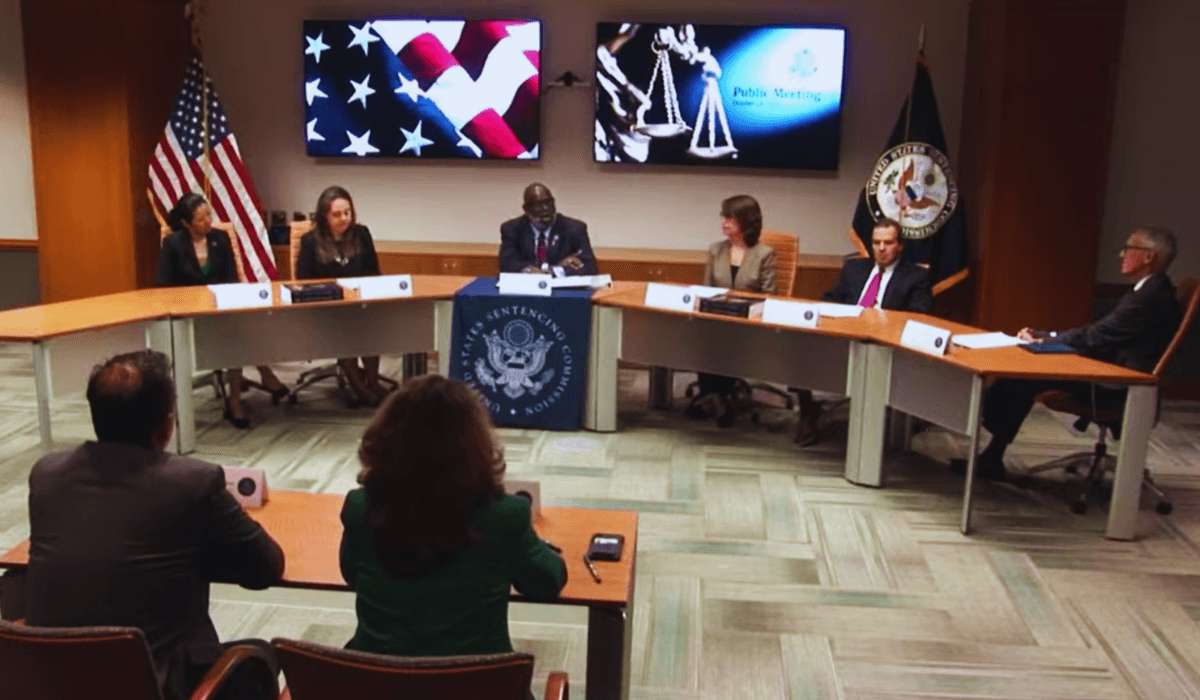
Analysis of the 2026 federal sentencing Guidelines chart for non-violent drug offenses.
Applying the 4 C's of criminal justice: Citizens, Constitution, Courts, and Corrections.
Tracking the new law to release federal inmates 2026 across 50 states.
Federal Sentencing & Prison Reform Bill
One of the most pressing questions in the legal community is, are federal sentencing guidelines changing? The answer is a definitive yes. The 2026 federal sentencing Guidelines chart reflects a significant reduction in mandatory minimums for non-violent crimes. This is largely driven by the new federal drug laws 2026, which seek to decouple addiction-related crimes from long-term incarceration. For many, the question has the Prison Reform Bill passed? is the most critical; its passage in early 2026 has opened the doors for new federal laws for 2026 that prioritize home confinement and electronic monitoring.
Regarding the specifics of incarceration, many wonder about the mechanics of time served. How much time do you serve on a 10 year federal sentence? Under the new laws for federal inmates 2026, credit for "good time" has been expanded. Additionally, can federal prisoners collect social security? and can federal inmates get early release? are topics of heated debate. While social security remains largely suspended during incarceration, the Second Chance Act for inmates provides a robust framework for financial stability upon release. Furthermore, the new federal drug laws new sentencing guidelines 2026 allow for retroactive applications, meaning thousands of sentences are currently being recalculated.
Prison Life & Rule 43
Navigating the "inside" involves understanding complex regulations like what is the rule 43 in jail?—which typically pertains to protective custody. Families also ask personal questions such as can I spend the night with my husband in jail? (conjugal visits) or what is a pink room in jail?. While pink rooms—intended to calm aggressive inmates—are being phased out under human rights reforms, the 2026 push for "familial preservation" has expanded visitation rights in several states.
The Global Perspective: Italy & Referendums
While the U.S. focuses on domestic changes, the Italy judicial reform and the Italy referendum 2026 are providing a blueprint for international change. The referendum magistratura 2026 aire (for Italians living abroad) highlights the global push for judicial accountability. These criminal justice reform examples show that the desire to redefine who controls the judicial system is not unique to America. When we ask which country has the best prison reform?, Norway and Italy are frequently cited for their focus on "dynamic security" and reintegration rather than static isolation.
| Reform Metric | 2022 Framework | 2026 Reform Framework | Impact Expectation |
|---|---|---|---|
| Drug Sentencing | Mandatory Minimums | New federal drug laws 2026 | 30% Reduction in population |
| Inmate Release | Strict 85% rule | New law to release state inmates 2026 | Faster reintegration |
| Judicial Accountability | Static Appointments | Referendum Magistratura 2026 | Higher public trust |
| Reentry Support | Limited Vouchers | Second Chance Act Expansion | Lower Recidivism |
Courtroom Conduct and Legal Power
The stages of the judicial process can be intimidating. From the 5 stages of trial to post-verdict maneuvers (can motions be made after trial?), the process is designed to be rigorous. In the courtroom, the human element persists; is it okay to cry in court? and what is a judge not allowed to do? are common concerns. A judge, while powerful, is bound by ethics and cannot overstep into advocacy. People often ask who is the most powerful person in the judicial system?—while many point to the Chief Justice, the top 1 lawyer in the world or a savvy prosecutor can often sway the outcome of the hardest case to win in court.
The power balance is delicate. Can a judge overrule a prosecutor? In many instances, yes, specifically regarding sentencing and the admissibility of evidence. However, can the president fire a judge? Not federal judges, who have life tenure to ensure independence. As we look at the three main powers of the judicial branch—interpreting law, protecting rights, and resolving disputes—it becomes clear that the judicial reform 2026 is about ensuring these powers are used equitably.
