
Introduction
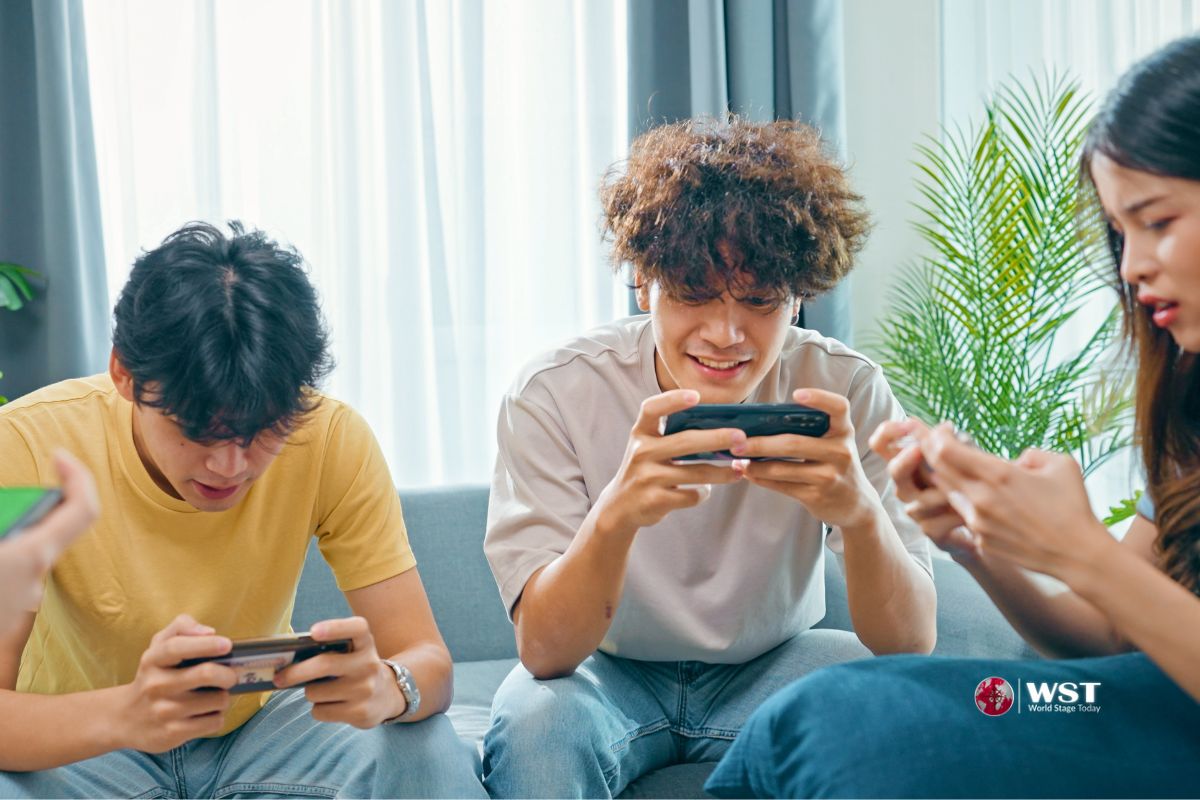
Gaming has become one of the most influential forms of digital entertainment among young people worldwide. Over the past decade, video games have evolved from simple recreational activities into highly interactive digital experiences that shape communication, social interaction, education, and behavioral development. Modern gaming is no longer limited to single-player entertainment. Today’s youth are deeply connected to online multiplayer platforms, esports communities, streaming ecosystems, and virtual social environments that influence daily lifestyles and decision-making patterns. The rapid growth of smartphones, cloud gaming, artificial intelligence, and high-speed internet has made gaming more accessible than ever before. According to the gaming industry, millions of teenagers and young adults now spend several hours each day interacting with digital games across consoles, computers, and mobile devices. While gaming offers educational, cognitive, and social benefits, excessive gaming may also contribute to behavioral challenges, addiction risks, and mental health concerns. Understanding both the positive and negative effects of gaming is essential for parents, educators, policymakers, and young people themselves.As technology continues advancing rapidly gaming culture is expected to play an even larger role in shaping the future behavior of modern youth.
The Rise of Gaming Culture Among Youth
Gaming has become one of the fastest-growing industries in the world. Young people today are growing up in highly digital environments where gaming is integrated into entertainment, communication, and social interaction.
Modern gaming culture includes:
-
- Online multiplayer games
- Mobile gaming
- Competitive esports
- Livestreaming platforms
- Gaming influencers
- Virtual communities
- Digital economies
- AI-powered gaming experiences
Popular platforms such as multiplayer battle games, simulation games, and esports tournaments attract millions of young players globally. Social media platforms and streaming services have further expanded gaming culture by allowing players to interact, communicate, and build online communities. Gaming is now considered more than just entertainment. For many young people, gaming represents identity, social belonging, creativity, and digital interaction. The expansion of virtual environments and online communication systems continues transforming how modern youth spend leisure time and interact with others.
Positive Effects of Gaming on Youth Behavior
Despite criticism surrounding gaming addiction and screen time, video games can provide several positive effects on youth behavior when used responsibly.
Research suggests that gaming may improve:
-
-
- Problem-solving skills
- Decision-making abilities
- Strategic thinking
- Teamwork and collaboration
- Hand-eye coordination
- Creativity
- Communication skills
- Digital literacy
-
Many multiplayer games encourage teamwork, leadership, and cooperation among players. Young people often learn how to coordinate strategies, communicate effectively, and solve challenges collaboratively. Educational and simulation-based games are increasingly used in schools and learning environments to improve engagement and cognitive development. Gaming may also help reduce stress and provide emotional relaxation for some individuals. Interactive entertainment allows players to temporarily escape daily pressures and engage in enjoyable digital experiences. The rise of educational gaming demonstrates how technology can support learning and skill development in modern educational systems.
Negative Effects of Gaming and Addiction Risks
Although gaming offers benefits, excessive gaming can negatively affect youth behavior and overall well-being. One of the biggest concerns is gaming addiction. Some young people develop unhealthy gaming habits that interfere with daily responsibilities, education, sleep, and social relationships.
Excessive gaming may contribute to:
-
-
- Reduced physical activity
- Sleep disruption
- Social isolation
- Poor academic performance
- Emotional instability
- Anxiety and stress
- Reduced attention span
- Behavioral dependency
-
The World Health Organization officially recognized gaming disorder as a mental health condition related to impaired control over gaming behavior. Gaming addiction becomes especially concerning when young individuals prioritize gaming over school responsibilities, family relationships, and real-world activities. Parents and educators increasingly face challenges balancing digital entertainment with healthy lifestyle habits and personal development. Maintaining moderation and responsible gaming habits remains essential for reducing long-term behavioral risks.
Gaming and Mental Health
Mental health has become an important topic in discussions about gaming and youth behavior. Gaming can influence mental health positively or negatively depending on gaming duration, content, environment, and personal circumstances.
Positive mental health effects may include:
-
-
- Stress relief
- Relaxation
- Emotional enjoyment
- Social connection
- Confidence building
-
However, excessive gaming may contribute to:
-
-
- Anxiety
- Depression
- Loneliness
- Emotional dependency
- Social withdrawal
- Sleep disorders
-
Competitive online gaming environments sometimes expose young players to toxic behavior, cyberbullying, and emotional pressure that may negatively affect psychological well-being. Social comparison, online harassment, and performance pressure in competitive gaming communities can create emotional stress among teenagers. Mental health experts recommend balanced screen time, healthy routines, physical activity, and parental supervision to maintain positive digital habits. Understanding the psychological impact of gaming is becoming increasingly important in the modern digital age.
Online Gaming Communities and Social Interaction
One of the most significant aspects of modern gaming is online social interaction. Multiplayer games allow players to communicate and collaborate with people from different countries and cultures.
Online gaming communities provide:
-
-
- Friendship opportunities
- Team collaboration
- Global communication
- Shared interests
- Social belonging
- Community engagement
-
For many teenagers, gaming communities become important social environments where they interact daily with friends and online teammates. Gaming platforms often help shy or introverted individuals develop communication confidence and digital social skills.
However, online gaming communities also present challenges including:
-
- Cyberbullying
- Toxic communication
- Online harassment
- Exposure to inappropriate content
- Digital addiction risks
The social influence of online gaming continues shaping modern youth communication patterns and online behavior. Balancing online interaction with real-world relationships remains important for healthy social development.
Gaming and Academic Performance
The relationship between gaming and academic performance remains highly debated among researchers and educators.
Moderate gaming may support:
-
-
- Cognitive flexibility
- Strategic thinking
- Fast decision-making
- Technological literacy
-
Students who spend excessive hours gaming may struggle managing educational responsibilities and time management. Late-night gaming habits can reduce sleep quality, resulting in lower concentration and reduced classroom performance. Parents and schools increasingly encourage healthy digital balance strategies that allow students to enjoy gaming while maintaining educational priorities. Educational awareness regarding responsible technology use has become essential in modern learning environments.
Esports and the Digital Lifestyle
Esports has transformed gaming into a global competitive industry involving professional tournaments, sponsorships, and digital careers.
Modern esports culture includes:
-
- Professional gaming teams
- Livestreaming careers
- Gaming influencers
- Online content creation
- International tournaments
- Digital sponsorships
Millions of young people now view gaming not only as entertainment but also as a potential career opportunity. The esports industry continues generating billions of dollars globally through advertising, sponsorships, media rights, and digital platforms. Gaming influencers and streamers significantly shape youth culture, fashion trends, communication styles, and consumer behavior. While esports creates new career opportunities, experts emphasize the importance of education, skill development, and balanced lifestyle habits alongside gaming ambitions. The rise of digital careers reflects the growing influence of technology and entertainment in the modern economy.
Violent Games and Aggressive Behavior Debate
One of the most controversial discussions surrounding gaming involves violent video games and aggressive behavior. Others believe there is insufficient evidence proving direct long-term behavioral harm caused by violent games alone.
Modern research suggests youth behavior is influenced by multiple factors including:
-
- Family environment
- Mental health
- Social experiences
- Education
- Lifestyle habits
- Emotional development
Most experts agree that parental guidance and age-appropriate content monitoring remain important for protecting young players from harmful content exposure. The debate surrounding violent games continues as gaming technology becomes increasingly immersive and realistic. Responsible gaming environments and healthy digital education remain essential for supporting positive youth development.
Educational Gaming and Cognitive Development
Educational gaming has become increasingly popular in schools and digital learning platforms.
Modern educational games help improve:
-
-
- Memory skills
- Problem-solving abilities
- Creativity
- Critical thinking
- Language learning
- Scientific understanding
-
Interactive learning environments often increase student engagement and motivation compared to traditional teaching methods. Gamification techniques are now widely used in educational technology to make learning more enjoyable and interactive. Simulation games and virtual learning experiences continue expanding across science, medicine, engineering, and language education. Technology experts believe educational gaming may play a larger role in future digital learning systems. When properly designed, educational games can combine entertainment with meaningful cognitive and academic development.
Screen Time and Behavioral Changes
One of the biggest concerns regarding gaming and youth behavior involves excessive screen time.
Long gaming sessions may affect:
-
- Physical health
- Sleep patterns
- Attention span
- Social interaction
- Emotional regulation
- Physical activity levels
Modern digital lifestyles increasingly expose young people to prolonged screen usage through gaming, social media, streaming, and online communication. Parents and educators are encouraged to guide young people toward responsible technology use while avoiding excessive restrictions that may create conflict or emotional stress. Digital balance is becoming one of the most important challenges for modern families.
The Future of Gaming Culture
The future of gaming is expected to become increasingly immersive, social, and technology-driven.
Gaming may continue influencing:
-
- Education
- Communication
- Social behavior
- Digital economies
- Entertainment industries
Future generations will likely experience even deeper integration between gaming, digital lifestyles, and virtual social environments. As gaming technology evolves, society will need stronger awareness regarding healthy digital habits, ethical technology use, and mental well-being. Balancing innovation with responsible usage will remain essential for protecting youth behavior and development in increasingly digital societies.
Expert Analysis
Gaming has become one of the most influential cultural and technological forces affecting modern youth behavior. While gaming provides educational benefits, social interaction, creativity, and entertainment opportunities, excessive or unhealthy gaming habits may create emotional, academic, and behavioral challenges. The future impact of gaming will depend heavily on digital education, parental guidance, mental health awareness, and responsible technology use. Society must focus on creating balanced digital environments where young people can benefit from technological innovation without compromising mental health, education, and social well-being. The relationship between gaming and youth behavior will continue evolving alongside technological advancement and digital transformation.
Frequently Asked Questions (FAQ)
How does gaming affect youth behavior?
Gaming can influence social interaction, emotional development, communication skills, academic performance, and mental health both positively and negatively.
Can gaming improve cognitive skills?
Yes. Moderate gaming may improve strategic thinking, problem-solving, hand-eye coordination, and decision-making abilities.
What are the negative effects of excessive gaming?
Excessive gaming may contribute to addiction, sleep disruption, anxiety, poor academic performance, and reduced physical activity.
Is esports becoming a career opportunity?
Yes. Esports, streaming, and digital content creation are creating new career opportunities within the gaming industry.
How can parents encourage healthy gaming habits?
Parents can encourage balanced screen time, physical activity, healthy sleep routines, and age-appropriate gaming content.
Conclusion
Gaming continues reshaping youth behavior, communication patterns, digital lifestyles, and social interaction in the modern world. While gaming offers educational benefits, creativity, social engagement, and entertainment opportunities, excessive gaming may also create behavioral, academic, and mental health challenges. The future relationship between gaming and youth behavior will depend on responsible digital habits, mental health awareness, parental guidance, and balanced technology use. As digital entertainment continues evolving rapidly, understanding the impact of gaming on modern youth has become more important than ever before.
Gaming in 2026 is significantly influencing youth behavior, shaping social interactions, cognitive skills, learning habits, and digital lifestyles.While gaming offers entertainment and skill development opportunities, excessive use may impact mental health, academic performance, and overall well-being.
