

Introduction
The global technology industry is evolving faster than ever before. In 2026, major technology companies are competing aggressively in artificial intelligence, cloud computing, cybersecurity, automation, and digital transformation. Big tech organizations are reshaping industries, consumer behavior, communication systems, and the future global economy. Artificial intelligence has become the center of modern technological innovation. Companies such as Google, Microsoft, Apple, Meta, Amazon, and OpenAI are investing billions of dollars into AI systems, machine learning infrastructure, and next-generation digital platforms. At the same time, governments and regulators worldwide are increasing pressure on big tech companies regarding privacy concerns, AI ethics, market competition, and digital surveillance. The future of technology will likely be defined by AI-driven ecosystems, smart automation, cybersecurity protection, and digital innovation at a global scale.
The Rise of Artificial Intelligence
Artificial intelligence is transforming nearly every sector of the global economy. AI-powered systems are now used in business automation, healthcare, education, finance, cybersecurity, and customer support.
Modern AI technologies continue improving:
-
- Data analysis
- Automation
- Productivity
- Decision-making
- Digital communication
- Customer experiences
Major companies are racing to develop advanced generative AI models, smart assistants, and enterprise automation tools. The rapid adoption of AI has created new opportunities for businesses while also raising concerns about job displacement, misinformation, and ethical AI development. Technology experts believe artificial intelligence will remain the most important technological trend of the decade.
Google and the Future of Search
Google continues transforming online search through artificial intelligence and AI-generated search experiences. Google’s AI-powered search systems are changing how websites compete for visibility and organic traffic.
Businesses increasingly focus on:
-
- SEO optimization
- GEO optimization
- AEO optimization
- Semantic SEO
- AI-search visibility
The rise of AI search assistants is reshaping digital publishing, online marketing, and content creation strategies worldwide. Technology analysts believe future search engines will become more conversational, predictive, and personalized.
Microsoft’s AI Expansion Strategy
Microsoft has become one of the leading companies in enterprise artificial intelligence and cloud computing.
The company continues expanding AI integration across:
-
- Productivity software
- Cloud platforms
- Business automation
- AI assistants
- Enterprise cybersecurity
Microsoft’s partnerships and investments in AI technologies have strengthened its position within the global technology market. The company’s cloud ecosystem continues competing aggressively against other major providers in enterprise digital transformation services. AI-powered workplace tools are increasingly helping organizations improve efficiency, collaboration, and operational productivity. The future workplace is expected to become heavily AI-assisted and automation-driven.
Apple and Smart Ecosystem Innovation
Apple continues focusing on ecosystem integration, privacy protection, and premium consumer technology experiences.
The company’s innovation strategy includes:
-
- Smart devices
- AI-enhanced software
- Wearable technology
- Health technology
- Ecosystem synchronization
Apple’s focus on privacy and security remains one of its strongest competitive advantages in the technology market. Apple continues expanding artificial intelligence features within smartphones, laptops, and digital assistant technologies. The company’s ecosystem-driven strategy helps strengthen customer loyalty and long-term brand growth.
Meta and the Future of Virtual Platforms
Meta continues investing heavily in virtual reality, augmented reality, and digital social experiences.
The company’s long-term vision focuses on:
-
- Virtual communication
- Digital avatars
- Immersive experiences
- Metaverse development
- AI-powered social systems
While the metaverse industry remains in early development stages, many experts believe immersive digital platforms may become increasingly important in future communication systems. Meta also continues expanding AI-driven advertising technologies and social media recommendation systems. The future of social interaction may become increasingly connected to virtual environments and AI-powered communication technologies.
Amazon and Cloud Computing Growth
Amazon remains one of the dominant forces in cloud computing, e-commerce, logistics, and AI infrastructure.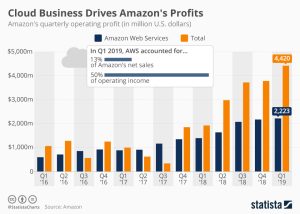
Cloud computing continues driving:
-
- Business scalability
- Data storage
- AI processing
- Remote work systems
- Digital transformation
Amazon’s investment in AI infrastructure and logistics automation continues shaping global e-commerce and enterprise technology systems. Cloud computing is expected to remain a foundational technology for future digital economies.
Cybersecurity and Online Privacy Challenges
As technology expands rapidly, cybersecurity and online privacy concerns continue increasing worldwide.
Modern digital risks include:
-
- Data breaches
- AI-powered cyberattacks
- Identity theft
- Online surveillance
- Privacy violations
- Ransomware attacks
Governments worldwide are also introducing stricter regulations regarding data privacy and digital security practices. The future digital economy will depend heavily on trust, cybersecurity resilience, and responsible technology management.
AI Competition Between Big Tech Companies
The race for AI dominance has become one of the most competitive battles in technology history.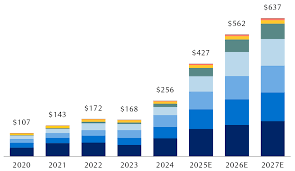
AI competition is influencing:
-
- Stock markets
- Business strategies
- Global investments
- Technology innovation
- Digital advertising
Organizations that successfully integrate AI into products and services are likely to gain major competitive advantages in future markets. The next decade may determine which companies dominate the future AI economy.
Digital Transformation Across Industries
Technology innovation is transforming nearly every major industry worldwide.
Digital transformation now influences:
- Healthcare systems
- Financial services
- Education
- Manufacturing
- Retail
- Transportation
- Media industries
Companies that fail to adapt to technological change may struggle remaining competitive in future digital markets. Digital transformation is no longer optional for modern organizations.
The Future of Big Tech in 2030
The future technology industry will likely become increasingly AI-driven, automated, and interconnected.
Future technological trends may include:
-
- Advanced artificial intelligence
- AI-generated digital ecosystems
- Smart cities
- Quantum computing
- Human-AI collaboration
- Autonomous systems
- Advanced robotics
At the same time, governments and regulators will likely increase oversight regarding AI ethics, market competition, and digital privacy. The balance between innovation, regulation, and ethical technology development will define the future of the global technology industry.
Expert Analysis
Big tech companies are no longer simply software organizations. They have become major global forces influencing economies, politics, communication systems, education, and digital lifestyles. Artificial intelligence has accelerated competition between major technology companies while creating both opportunities and risks for businesses and consumers. The future of the technology industry will depend heavily on innovation, responsible AI development, cybersecurity resilience, and ethical digital transformation. Organizations that successfully balance technological advancement with trust and privacy protection are more likely to lead the next era of global digital innovation.
Frequently Asked Questions (FAQ)
Why is artificial intelligence important in 2026?
Artificial intelligence improves automation, productivity, business efficiency, data analysis, and digital communication across industries.
Which companies are leading AI innovation?
Major AI leaders include Google, Microsoft, OpenAI, Amazon, Apple, and Meta.
Why is cybersecurity becoming more important?
As digital systems expand, cyber threats, data breaches, and online privacy risks continue increasing globally.
What is digital transformation?
Digital transformation refers to integrating modern technologies such as AI, cloud computing, and automation into business operations.
Will AI replace human jobs?
AI may automate some tasks, but it is also expected to create new technology-related career opportunities.
Conclusion
The technology industry in 2026 is being transformed by artificial intelligence, cloud computing, cybersecurity, and digital innovation. Major technology companies continue investing in advanced technologies that improve business operations, communication, and everyday life.
As AI adoption grows, organizations must balance innovation with privacy, security, and ethical responsibility. The future of technology will depend on how effectively businesses and governments manage these opportunities and challenges while driving sustainable digital growth.
Artificial intelligence, cloud computing, cybersecurity, and automation are reshaping the global technology industry in 2026. Major companies such as Google, Microsoft, Apple, Meta, Amazon, and OpenAI are competing to lead innovation and digital transformation. The future of technology will be driven by AI-powered ecosystems, secure digital infrastructure, and responsible technological advancement.
