
Introduction
Public health remains one of the most important pillars of modern society. While healthcare systems focus on treating illness, public health focuses on preventing disease, improving quality of life, promoting healthy behaviors, and protecting entire communities from health threats.
In 2026, public health agencies continue addressing challenges such as infectious diseases, chronic illnesses, mental health concerns, environmental health risks, healthcare accessibility, and emergency preparedness. Organizations such as the Centers for Disease Control and Prevention (CDC) and the World Health Organization (WHO) play critical roles in monitoring health trends, providing guidance, supporting research, and coordinating responses to emerging health threats.
Public health affects every aspect of daily life—from food safety and vaccination programs to disease surveillance and health education. Understanding how public health works helps individuals make informed decisions while contributing to healthier communities.
What Is Public Health?

Public health is the science and practice of protecting and improving the health of populations. Rather than focusing solely on individual patients, public health professionals work to prevent illness and promote wellbeing across entire communities.
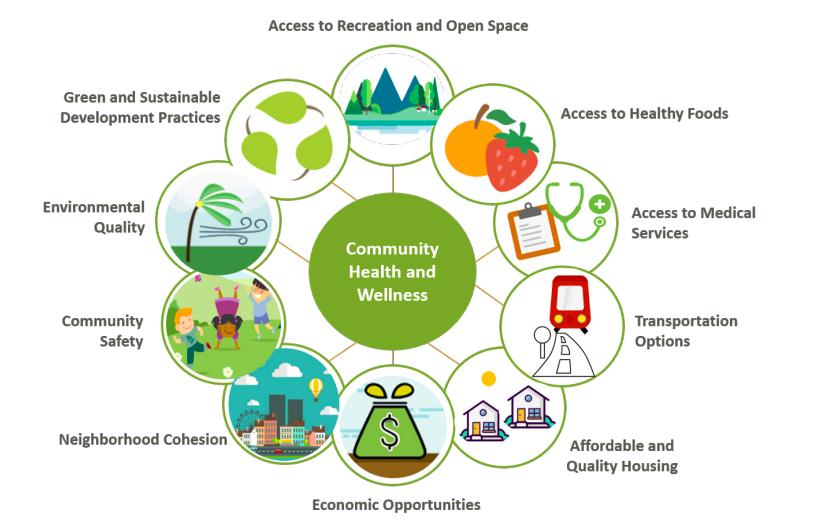
Public health initiatives often involve health education, disease prevention, environmental protection, vaccination programs, healthcare access, and emergency preparedness planning.
Strong public health systems contribute to longer life expectancy, reduced disease burden, improved healthcare outcomes, and healthier societies.
The Role of the CDC in Public Health

The CDC serves as one of the leading public health organizations in the United States. Its mission includes protecting public health through research, disease monitoring, prevention programs, emergency response planning, and health education initiatives.
The CDC provides guidance on infectious diseases, chronic health conditions, vaccinations, workplace safety, nutrition, physical activity, mental health, and environmental health concerns.
Through surveillance systems and research programs, the CDC helps identify health threats and supports evidence-based public health decisions.
Learn more at: CDC Official Website
The WHO’s Global Health Mission
The World Health Organization coordinates international efforts to improve health outcomes worldwide. WHO works with governments, healthcare organizations, researchers, and public health agencies to address global health challenges.
Its work includes disease prevention, emergency response coordination, health policy development, vaccination initiatives, maternal health programs, mental health promotion, and support for developing healthcare systems.
WHO also plays a major role in responding to global outbreaks, humanitarian emergencies, and health inequalities.
Learn more at: World Health Organization (WHO)
Disease Prevention in 2026

Disease prevention remains one of the most effective public health strategies. Preventive measures help reduce healthcare costs, improve quality of life, and decrease the burden on healthcare systems.
Vaccinations continue to protect communities against infectious diseases, while health screenings help identify conditions before they become serious. Public health campaigns encourage healthy lifestyles, proper nutrition, physical activity, and tobacco cessation to reduce chronic disease risks. Preventive healthcare is often more effective and less costly than treating advanced illness.
Public Health Challenges Facing Communities

Public health agencies face a wide range of challenges in 2026. Chronic diseases such as heart disease, diabetes, and obesity continue affecting millions of people worldwide. Mental health concerns have also become a major public health priority.
Environmental factors including air quality, climate-related health impacts, and access to clean water influence community health outcomes. Healthcare accessibility remains a concern in many regions, particularly among underserved populations. Addressing these challenges requires cooperation among governments, healthcare providers, educators, researchers, and community organizations.
Vaccination Programs and Community Protection
Vaccination programs remain one of the most successful public health interventions in history. Vaccines help prevent serious diseases and contribute to community-wide protection through increased immunity levels.
Public health organizations continue emphasizing routine immunizations, disease surveillance, and public education to support informed healthcare decisions. Vaccination programs have significantly reduced the spread of many infectious diseases while improving overall public health outcomes.
Mental Health as a Public Health Priority
Mental health is increasingly recognized as an essential component of public health. Anxiety, depression, stress-related disorders, and emotional wellbeing concerns affect millions of individuals and communities.
Public health strategies now include mental health awareness campaigns, workplace wellness initiatives, school-based support programs, and expanded access to mental health services. Improving mental health outcomes contributes to healthier communities and stronger healthcare systems.
Public Health Technology and Innovation

Technology is transforming public health in significant ways. Data analytics, disease surveillance systems, telehealth services, wearable health devices, and artificial intelligence help public health professionals monitor health trends and respond more effectively to emerging challenges.
Digital health tools improve access to healthcare information while supporting preventive care and community health initiatives.
The Future of Public Health

The future of public health will likely focus on prevention, preparedness, health equity, and technological innovation. Organizations such as the CDC and WHO continue working to strengthen healthcare systems, improve disease surveillance, and promote healthy communities.
Future priorities may include expanding preventive care, improving healthcare accessibility, addressing mental health challenges, strengthening emergency preparedness, and reducing health disparities. Public health remains essential for creating safer, healthier, and more resilient societies.
External Resources
- Centers for Disease Control and Prevention (CDC)
- World Health Organization (WHO)
- National Institutes of Health (NIH)
- Healthy People 2030
- Public Health Foundation
