
Introduction
Rising prices, high interest rates, supply chain disruptions, and economic uncertainty continue to reshape global financial systems and business strategies. Over the past few years, economies around the world have experienced significant inflationary pressure caused by multiple global factors including energy price increases, geopolitical tensions, post-pandemic economic recovery, labor shortages, and disruptions in international trade. According to the International Monetary Fund (IMF), inflation remains a major concern for both developed and developing economies as policymakers attempt to balance economic growth with financial stability. As inflation continues influencing economic policies and business operations, understanding the future of the global economy has become increasingly important for investors, entrepreneurs, policymakers, and consumers. The modern economic environment is now shaped by a complex combination of inflationary pressures, technological transformation, changing consumer behavior, and geopolitical uncertainty.
Understanding Inflation in the Modern Economy
Place an inflation chart or rising prices image after the second paragraph. Inflation refers to the general increase in prices of goods and services over time. When inflation rises rapidly, consumers experience reduced purchasing power because everyday products and services become more expensive.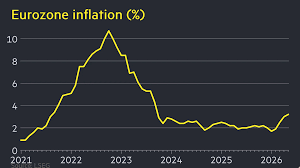
Modern inflation is influenced by several factors including:
- Energy price increases
- Supply chain disruptions
- Labor shortages
- Rising production costs
- Increased consumer demand
- Geopolitical instability
According to the World Bank, inflation has become a major global economic concern because it affects economic growth, financial stability, and consumer confidence. Moderate inflation is considered normal in healthy economies. However, high inflation can create serious economic challenges for businesses and households. Consumers facing inflation often reduce spending, while businesses experience higher operational expenses and declining profit margins. Governments and central banks continue implementing various monetary policies to control inflation and stabilize economic conditions.
Rising Interest Rates and Monetary Policy:
Place a central bank or financial market chart image after the bullet points.Central banks worldwide have responded to inflation by increasing interest rates in an effort to reduce consumer spending and slow inflationary pressure. Major institutions such as the Federal Reserve and the European Central Bank continue adjusting monetary policies to stabilize economic conditions. 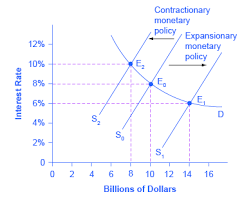
Higher interest rates influence:
- Business borrowing
- Consumer loans
- Mortgage rates
- Investment activity
- Stock markets
- Economic growth
While higher interest rates can help reduce inflation, they may also slow economic growth and increase recession risks. Businesses facing expensive borrowing costs often delay expansion plans and reduce operational spending. Consumers also become more cautious with spending when credit card rates, loans, and mortgages become more expensive. Monetary policy decisions now play a critical role in shaping the future direction of the global economy.
Consumer Spending and the Rising Cost of Living
Place a cost-of-living or shopping inflation image after the first paragraph. One of the most visible effects of inflation is the increasing cost of living. Consumers worldwide are spending more money on essential goods such as food, fuel, housing, transportation, and healthcare. Rising prices are significantly impacting household budgets, especially in developing economies where income growth often struggles to keep pace with inflation.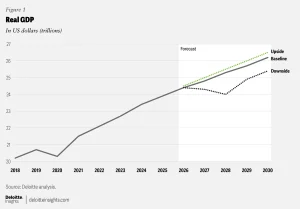
Higher living costs influence:
- Consumer spending behavior
- Savings rates
- Retail markets
- Lifestyle decisions
- Housing demand
As inflation reduces purchasing power, many consumers prioritize essential spending while reducing discretionary purchases. According to the OECD, persistent inflation may continue affecting consumer confidence and economic activity across global markets. Businesses must now adapt to changing consumer behavior by offering better value, affordability, and flexible pricing strategies.
Global Supply Chain Disruptions
Place a global trade or shipping logistics image after the second paragraph. Global supply chain disruptions remain one of the biggest contributors to inflationary pressure in the modern economy.
International trade networks have faced major challenges caused by: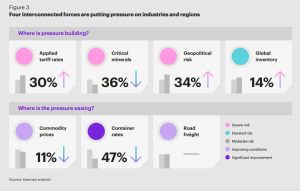
- Geopolitical conflicts
- Transportation delays
- Energy price increases
- Manufacturing shortages
- Shipping congestion
- Labor shortages
These disruptions have increased production and transportation costs for businesses worldwide. According to the World Economic Forum, supply chain instability continues to influence inflation, production capacity, and global economic growth. Many companies are now restructuring supply chains by diversifying suppliers, investing in automation, and improving operational resilience. Businesses that build stronger and more flexible supply chains are more likely to remain competitive during periods of economic uncertainty.
Inflation’s Impact on Businesses
Place a business finance or economic analysis image after the bullet points. Inflation affects businesses across nearly every industry. Rising operational costs, changing consumer behavior, and economic uncertainty are forcing companies to rethink traditional business strategies.
Businesses facing inflationary pressure often experience: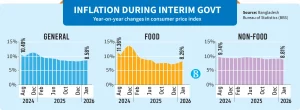
- Higher production costs
- Increased labor expenses
- Reduced consumer demand
- Lower profit margins
- Supply chain challenges
- Pricing difficulties
Companies that adapt quickly to inflationary environments are more likely to maintain profitability and long-term market stability. Modern businesses must now balance affordability, operational efficiency, and customer satisfaction in increasingly uncertain economic conditions.
Financial Markets and Investment Trends
Place a stock market or investment chart image after the first paragraph. Inflation and interest rate changes continue influencing global financial markets and investment behavior.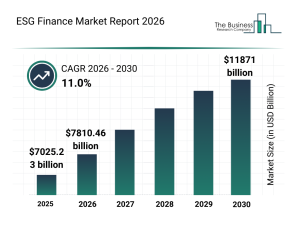
During periods of high inflation:
- Stock markets often experience volatility
- Investors seek safer assets
- Borrowing costs increase
- Economic uncertainty rises
- Consumer spending slows
Investors increasingly focus on:
- Defensive investments
- Technology companies
- Renewable energy sectors
- AI-driven businesses
- Commodities and energy markets
According to Bloomberg, inflation expectations and central bank policies remain major drivers of financial market performance. The relationship between inflation, interest rates, and investment activity will continue shaping the future of global financial systems.
Artificial Intelligence and Economic Transformation
Place an AI economy or digital economy image after the second paragraph. Artificial intelligence is becoming one of the most important forces transforming the future economy.
Companies worldwide are investing heavily in AI technologies to improve:
- Productivity
- Operational efficiency
- Automation
- Data analysis
- Customer experiences
- Strategic decision-making
Major technology companies such as Microsoft, Google, and OpenAI continue expanding AI investments as businesses increasingly adopt automation and digital intelligence systems. As inflation pressures continue affecting businesses, many organizations view automation and AI as long-term solutions for reducing operational costs and improving efficiency. The future economy will likely become increasingly technology-driven and AI-powered.
Global Trade and Economic Uncertainty
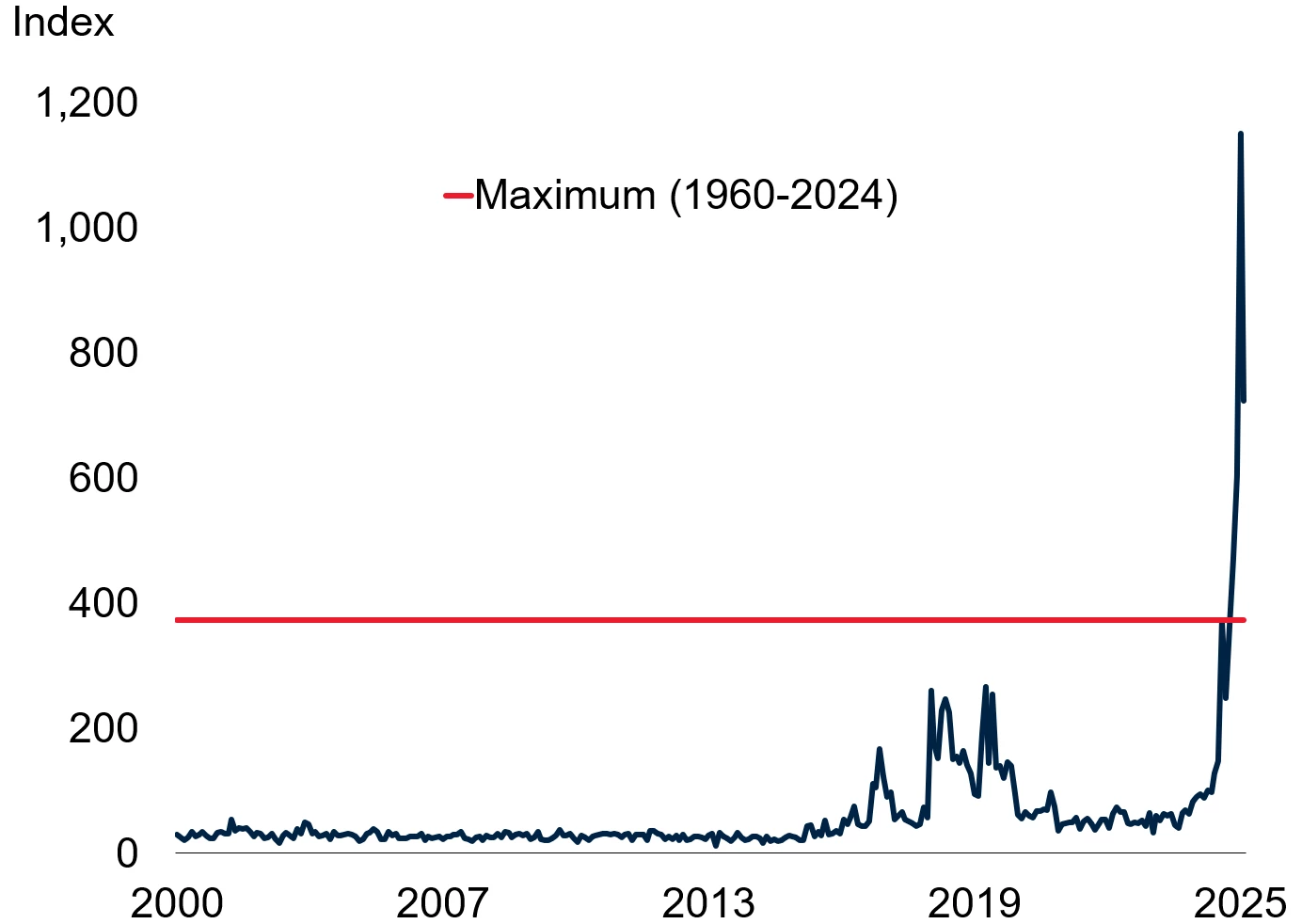
Place a world economy or international trade image after the first paragraph. Global trade continues facing uncertainty due to inflation, geopolitical tensions, supply chain instability, and changing economic policies.
International markets remain vulnerable to:
- Political conflicts
- Trade restrictions
- Energy market volatility
- Currency fluctuations
- Financial instability
According to the World Trade Organization (WTO), global trade growth may continue slowing as businesses and governments adjust to uncertain economic conditions. Despite these challenges, digital transformation and technological innovation continue creating new opportunities for international business expansion. Companies that remain flexible and globally adaptive are more likely to succeed in the evolving global economy.
The Future Economic Outlook
The future global economy will likely be shaped by a combination of inflation management, technological innovation, sustainability initiatives, and changing consumer behavior.
Economic experts believe future growth will depend heavily on: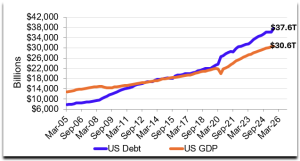
- Stable monetary policies
- Technological advancement
- Business innovation
- Sustainable economic development
- AI integration
- Global cooperation
Businesses that prioritize adaptability, digital transformation, and operational resilience are expected to perform more successfully in future markets. While inflation and economic uncertainty may continue creating short-term challenges, innovation and technological progress will likely remain major drivers of long-term global economic growth.
Expert Analysis
One of the most important realities of the modern economy is that uncertainty has become a permanent feature of global markets. Inflation, rising interest rates, geopolitical instability, and technological disruption are reshaping how businesses operate and how governments manage economic policies. Organizations that invest in innovation, automation, digital transformation, and financial resilience are more likely to survive and grow in increasingly unpredictable economic environments. The combination of artificial intelligence, sustainability, and economic adaptation will define the next era of global economic development.
Frequently Asked Questions (FAQ)
What causes inflation?
Inflation is mainly caused by rising production costs, increased consumer demand, supply chain disruptions, energy price increases, and monetary policy factors.
How does inflation affect consumers?
Inflation reduces purchasing power, increases living costs, and makes goods and services more expensive.
Why do central banks raise interest rates?
Central banks increase interest rates to reduce inflation by slowing consumer spending and borrowing.
How does inflation affect businesses?
Inflation increases operational costs, affects pricing strategies, reduces profit margins, and changes consumer spending behavior.
What industries may grow during inflation?
Technology, AI, renewable energy, automation, and essential consumer sectors may continue growing during inflationary periods.
Conclusion
Rising prices, changing monetary policies, supply chain disruptions, and technological transformation are creating both challenges and opportunities for the modern economy. Organizations that prioritize innovation, adaptability, digital transformation, and operational resilience are more likely to succeed in uncertain economic environments. As the global economy evolves, businesses and governments must balance inflation control, sustainable growth, and technological progress to build stronger and more resilient economic systems for the future.
