
INTRODUCTION
The drug crisis remains one of the most complex public health challenges facing societies around the world in 2026. Substance use disorders continue to affect millions of individuals and families, creating significant health, social, and economic consequences. While awareness, treatment options, and prevention efforts have expanded considerably, emerging synthetic substances, mental health challenges, and changing drug markets continue to create new concerns for healthcare professionals and policymakers.
Modern public health approaches increasingly recognize addiction as a treatable health condition rather than simply a criminal justice issue. This shift has encouraged greater investment in prevention, treatment, recovery support, mental health services, and community-based interventions.
This guide examines the key drivers behind the drug crisis, its impact on public health, and the strategies communities and healthcare systems are using to reduce harm and support recovery.
Understanding the Drug Crisis
The term “drug crisis” refers to the widespread challenges associated with substance misuse, addiction, overdose incidents, and the long-term consequences that affect individuals, families, healthcare systems, and communities.
Substance use disorders involve complex interactions between biological, psychological, social, and environmental factors. Modern addiction research demonstrates that dependency is rarely caused by a single factor. Instead, it often develops through a combination of personal vulnerabilities, life experiences, mental health conditions, and environmental influences. Public health experts increasingly emphasize prevention, early intervention, and treatment accessibility as critical components of reducing substance-related harm.
Major Causes of Substance Abuse
Mental health challenges remain among the most significant contributors to substance misuse. Conditions such as anxiety, depression, trauma-related disorders, and chronic stress may increase vulnerability to unhealthy coping behaviors. In some cases, individuals attempt to manage emotional pain through substance use, increasing the risk of dependency over time.
Economic and social circumstances can also influence substance-related outcomes. Financial hardship, unemployment, housing instability, social isolation, and limited access to healthcare services may increase stress and reduce access to support systems.
The growing availability of synthetic substances and evolving drug distribution networks have created additional public health concerns. Health authorities continue monitoring emerging substances that may present heightened overdose risks and other health complications.
Health Effects of Drug Misuse
Substance misuse can affect nearly every organ system in the body. Long-term use may contribute to cardiovascular disease, respiratory complications, neurological impairment, liver damage, weakened immunity, and increased risk of injury.
One of the most serious consequences is overdose. Overdose risks may increase when substances are mixed, drug potency is unknown, or synthetic substances are present. Public health agencies continue emphasizing education, awareness, and emergency response measures to reduce overdose-related harm. The severity of health consequences varies based on the substance involved, frequency of use, duration of exposure, and individual health circumstances.
Mental Health and Addiction
Mental health and addiction are closely interconnected. Research consistently demonstrates that individuals experiencing mental health challenges may be at greater risk of developing substance use disorders. At the same time, substance misuse can worsen existing mental health symptoms and create additional psychological difficulties.
Conditions frequently associated with substance use disorders include anxiety disorders, depression, post-traumatic stress disorder, bipolar disorder, and chronic stress-related conditions. Because of this relationship, many healthcare providers now utilize integrated treatment approaches that address both mental health concerns and substance use disorders simultaneously. This comprehensive approach often improves long-term recovery outcomes and overall wellbeing.
Economic and Social Impact
The drug crisis extends beyond individual health outcomes and affects families, workplaces, healthcare systems, and entire communities. Families may experience financial strain, caregiving challenges, emotional stress, and relationship difficulties. Children and dependents can also be affected when substance-related challenges disrupt family stability.
Communities often face increased healthcare expenditures, reduced workforce participation, greater demand for social services, and broader public health challenges. These impacts demonstrate why substance use disorders are increasingly viewed as societal issues requiring coordinated responses across multiple sectors.
Prevention Strategies
Effective prevention begins with education, awareness, and early intervention. Schools, healthcare providers, families, and community organizations all play important roles in helping individuals develop healthy coping skills and informed decision-making abilities.
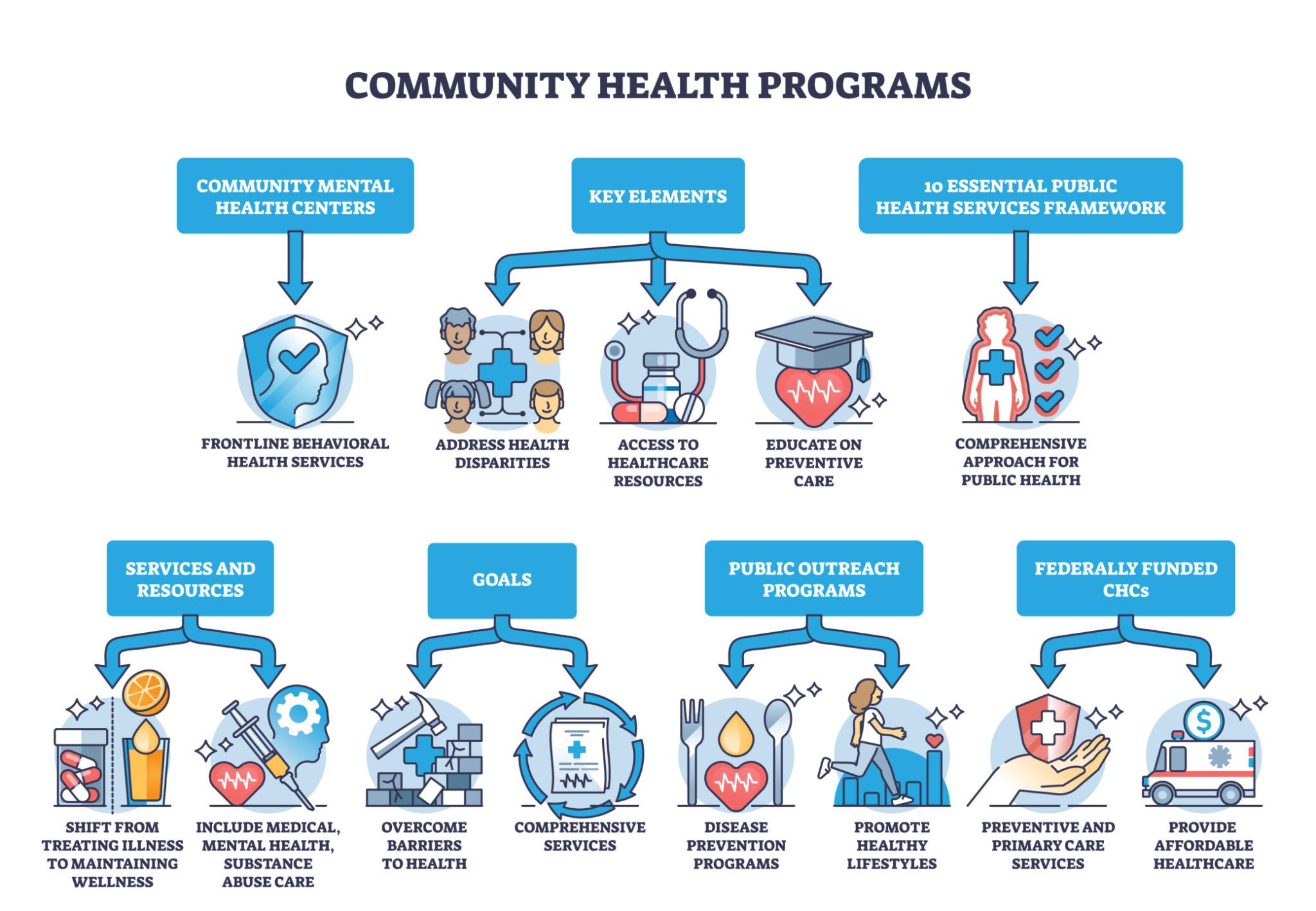
Mental health support is increasingly recognized as an essential prevention strategy. Accessible counseling services, crisis intervention programs, and community mental health resources can help address underlying risk factors before substance misuse develops. Strong social connections, community engagement, recreational opportunities, and supportive environments can also serve as protective factors against substance-related harm.
Treatment and Recovery
Recovery is a highly individual process that may involve medical care, behavioral therapies, counseling, peer support programs, and long-term wellness planning. Modern treatment approaches focus on evidence-based care tailored to each person’s specific needs.
Healthcare providers increasingly recognize that recovery often requires ongoing support rather than a single intervention. Long-term recovery plans may include counseling, family involvement, employment support, housing assistance, and continued healthcare services. Supportive environments and accessible treatment resources remain among the most important factors contributing to successful recovery outcomes.
Government and Public Health Responses
Public health agencies around the world continue expanding prevention campaigns, treatment accessibility, health education initiatives, and data monitoring systems to address substance-related challenges.
Many governments are investing in evidence-based programs that prioritize prevention, recovery support, mental health services, and improved access to healthcare resources. International cooperation also remains essential because drug production, trafficking, and distribution frequently cross national borders.
Future Outlook
The future response to the drug crisis will likely focus on expanding mental health services, improving treatment access, strengthening prevention programs, enhancing public health surveillance, and supporting community-based recovery initiatives.
Experts increasingly emphasize that reducing substance-related harm requires collaboration among healthcare providers, educators, policymakers, families, and local communities. Long-term success depends on comprehensive strategies that address both the causes and consequences of substance use disorders.
RELATED ARTICLES
- Health & Wellness in 2026
- Mental Health Awareness Guide
- Public Health Challenges in Modern Society
- Healthcare Trends and Innovations
- Community Wellness and Prevention Strategies
