
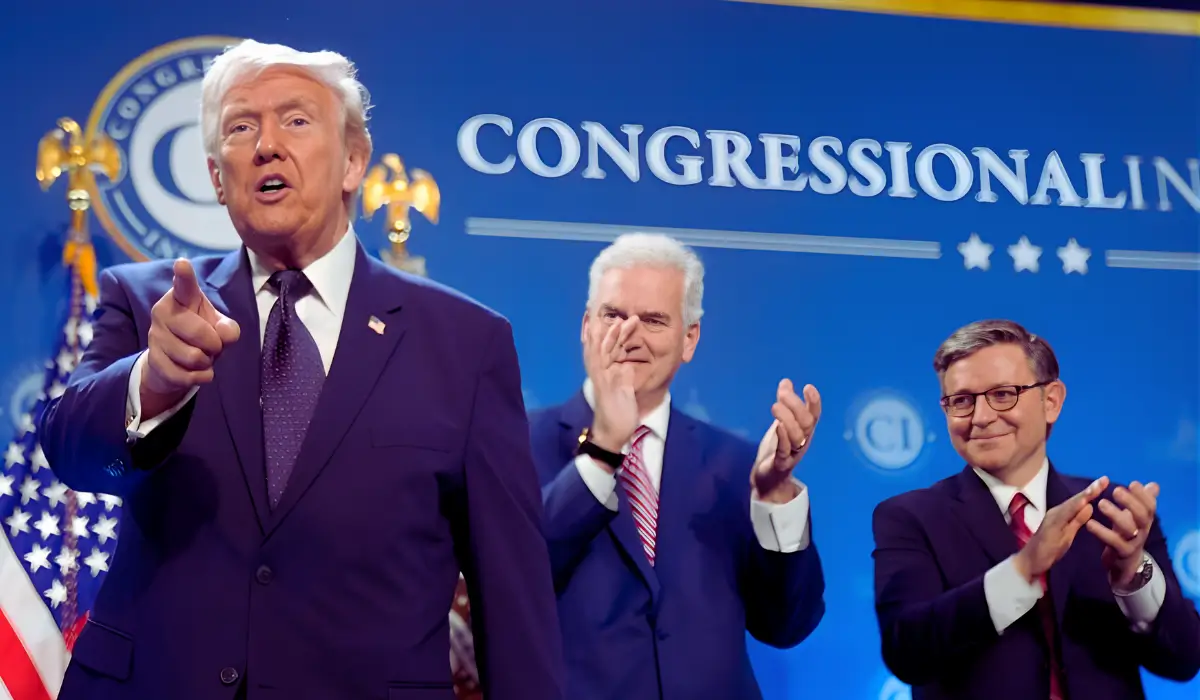
Major Political Developments in the United States
American politics remains highly dynamic as policymakers debate immigration enforcement, economic policy, and international relations. During the 2026 State of the Union discussions, federal leaders emphasized economic growth, national security, and border enforcement policies as key priorities for the administration. Political analysts continue to evaluate the impact of these policies on public opinion and upcoming elections.
According to recent coverage from Al Jazeera, political debate surrounding the speech focused heavily on immigration enforcement and economic claims made by the administration.
Meanwhile, recent polling suggests Americans remain divided on major policy issues such as immigration raids, foreign policy decisions, and the cost of living. Public opinion surveys show that economic conditions and border security continue to be among the most important issues for voters heading into upcoming elections. :contentReference[oaicite:1]{index=1}
Immigration Policies and Nationwide Protests
Immigration policy remains one of the most debated topics in U.S. current affairs. Federal authorities have expanded enforcement operations and increased border security measures, prompting demonstrations and public protests in several states.
Large demonstrations occurred in Minnesota and other major cities following intensified enforcement actions by immigration authorities. Protesters criticized aggressive deportation policies and called for accountability and immigration reform. Tens of thousands of participants reportedly joined demonstrations and labor strikes in early 2026.
Additionally, advocacy groups and activists have organized nationwide protests scheduled for March 2026, aiming to challenge immigration enforcement policies and promote civil rights protections. Economic researchers also note that immigration policies have broader economic implications. Studies from the Brookings Institution suggest that changes in immigration levels could influence labor markets, employment growth, and long-term economic output in the United States.
Economic Trends and Inflation Concerns
Economic conditions remain a key concern for American households. While the U.S. economy continues to grow, economists warn that global tensions and energy price fluctuations could create uncertainty for markets and consumers.
For example, geopolitical tensions in the Middle East have recently pushed oil prices higher, contributing to increased gasoline prices in the United States. Analysts warn that prolonged disruptions could lead to higher inflation and slower economic growth worldwide.
At the same time, labor market data suggests the U.S. job market is beginning to cool slightly. Recent reports show job growth slowing and unemployment edging toward approximately 4.4%, signaling a gradual shift after several years of strong employment gains.
Financial institutions estimate that economic growth may average around 2% in 2026 if global conditions remain stable, although risks related to supply chains and geopolitical conflicts could influence future projections.
Social Movements and Civic Engagement
Social activism has become a defining feature of modern American society. Demonstrations, labor strikes, and public rallies frequently occur as citizens advocate for policy changes and social justice issues.
One example is the “Free America Walkout,” a nationwide protest movement organized across all 50 U.S. states in early 2026. Participants walked out of workplaces and schools to protest immigration enforcement policies and broader political concerns.
Such events highlight the increasing role of civic engagement in shaping public discourse and influencing political decision-making in the United States.
Why U.S. Current Affairs Matter Globally
The United States plays a major role in global politics and economic stability. Decisions made by American policymakers can influence international trade, financial markets, immigration trends, and diplomatic relations worldwide.
For example, U.S. economic policies affect global markets, while foreign policy decisions can impact international security alliances. As one of the world’s largest economies and most influential democracies, the country’s domestic developments often have global consequences.
Because of this influence, international observers, investors, and governments closely monitor American political and economic developments.
Conclusion
The landscape of U.S. news and current affairs in 2026 reflects a nation navigating complex political debates, economic uncertainties, and social movements. Immigration enforcement policies, economic challenges, geopolitical tensions, and civic activism all contribute to the evolving national conversation.
As these issues continue to develop, staying informed through reliable news sources is essential for understanding how policy decisions and social changes affect both the United States and the broader global community.
For more global news, politics updates, and economic insights, visit World Stage Today.
