
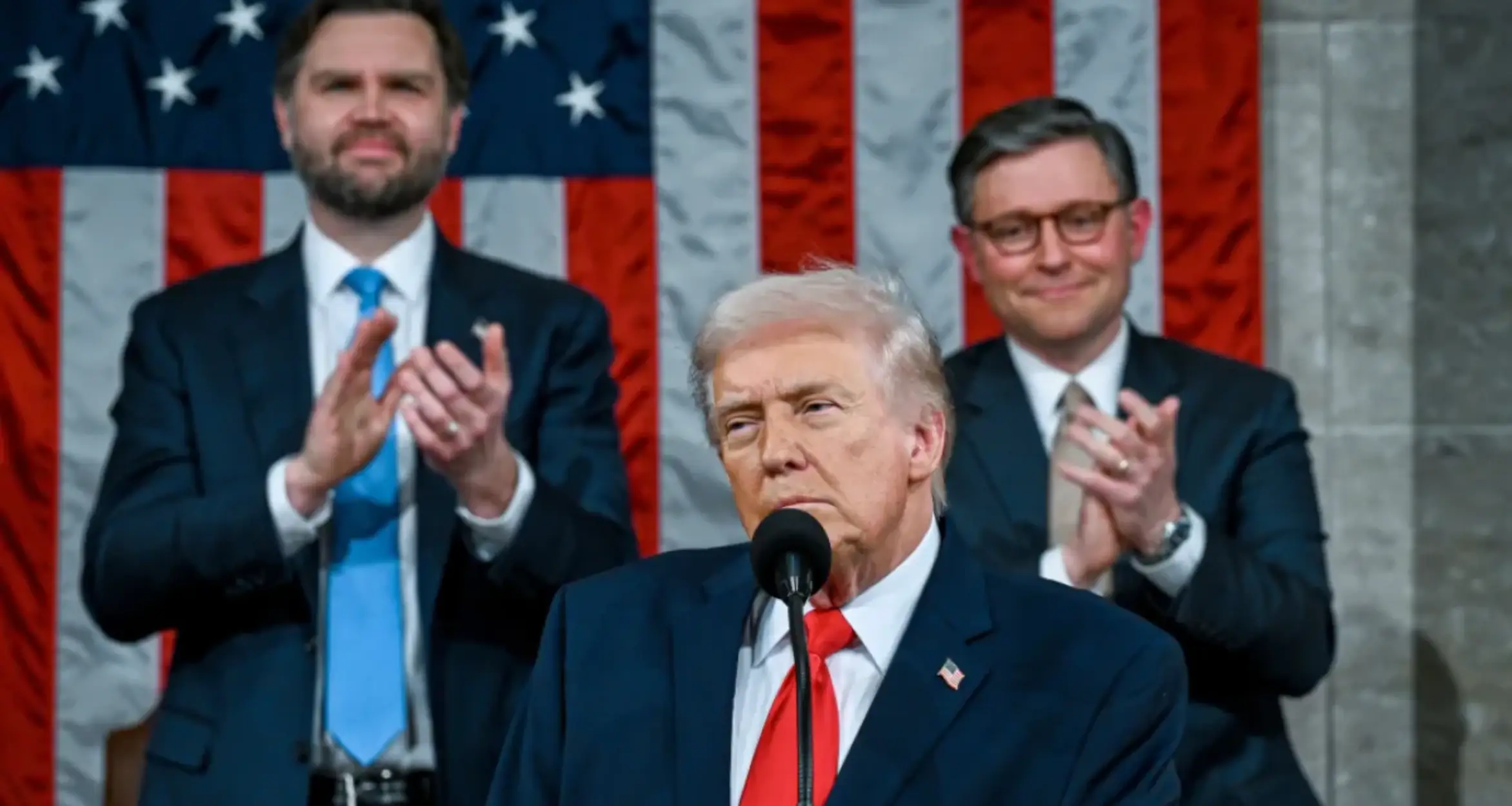
The State of U.S. Politics in 2026
Recent political discussions in Washington have centered on immigration enforcement, economic stability, and national security. The latest presidential address to Congress focused heavily on border control, government spending reforms, and strengthening domestic industries.
According to coverage from PBS NewsHour, the 2026 State of the Union speech was among the longest presidential addresses in modern history and emphasized stricter immigration policies and economic reforms as key priorities for the administration.
However, political analysts note that the government faces growing pressure from both opposition parties and the public as debates continue over economic policy, immigration enforcement, and federal spending.
Immigration Policy: A Defining Political Issue
Immigration remains one of the most significant issues shaping U.S. politics in 2026. Federal authorities have introduced stricter enforcement measures and expanded border security programs aimed at reducing illegal immigration.
New legislative funding has allocated billions of dollars for border enforcement infrastructure, including additional detention facilities and border security operations. Some proposals include expanded deportation efforts and increased resources for immigration enforcement agencies.
In addition, the administration has temporarily suspended certain immigrant visa processing programs affecting dozens of countries, further tightening legal immigration pathways. A federal appeals court recently ruled that the president has broad authority to suspend refugee admissions, reinforcing the executive branch’s power over immigration policy. While supporters argue these policies strengthen national security, critics warn they could harm economic growth and create humanitarian concerns for refugees and migrant workers.
Economic Policy and Cost-of-Living Concerns
Economic policy is another major focus of the U.S. political agenda. Inflation, housing affordability, and wages remain top concerns for American voters heading into the 2026 election cycle.
Research from Stanford economic analysts suggests that issues such as interest rate decisions, the national debt, and supply chain disruptions will remain key economic challenges throughout 2026. Public opinion surveys also show that many Americans remain dissatisfied with the rising cost of living and economic uncertainty. Polling in early 2026 indicated that around 62% of voters expressed concerns about living expenses and economic management.
In response, lawmakers are debating new policies related to tax reform, government spending, and industrial investment programs designed to strengthen domestic manufacturing and job creation.
Government Leadership and Policy Changes
Leadership changes within federal agencies are also shaping political discussions. In 2026, the president nominated Senator Markwayne Mullin to lead the Department of Homeland Security following controversy surrounding previous leadership.
The nomination highlights the administration’s commitment to strengthening immigration enforcement and national security operations, though the appointment will require Senate confirmation.
Meanwhile, disagreements between Democrats and Republicans continue to affect the legislative process. In some cases, political gridlock has delayed funding bills and policy reforms, demonstrating the challenges of governing in a divided political environment.
Public Opinion and Political Polarization
Political polarization remains one of the defining features of American politics. Polling data shows Americans are divided on major issues such as immigration enforcement, military actions abroad, and economic policy priorities.
For example, surveys suggest voters are split on immigration raids and foreign policy actions, though many Americans support stronger border security measures. Additionally, research organizations report that public dissatisfaction with government leadership has increased in recent months, reflecting growing frustration with political polarization and policy disputes. These divisions are expected to shape political campaigns and policy debates as the country approaches upcoming congressional elections.
The Role of Congress in Shaping Policy
The U.S. Congress plays a central role in shaping government policy through legislation, oversight, and budget approval. In 2026, lawmakers are debating a wide range of issues including immigration reform, defense spending, and economic regulation.
However, passing major legislation remains difficult due to partisan disagreements. Some policy initiatives require bipartisan support in the Senate, making compromise essential for major reforms to move forward. As a result, many policy decisions are being implemented through executive actions or regulatory changes rather than traditional legislation.
Why U.S. Political Developments Matter Globally
Political decisions made in Washington have global consequences. U.S. foreign policy influences international alliances, trade agreements, and security partnerships around the world. Immigration policy, for example, affects migration patterns across multiple continents, while economic decisions impact global financial markets. As one of the world’s largest economies and most influential democracies, the United States remains a central player in international affairs.
For this reason, analysts and governments worldwide closely monitor developments in U.S. politics.
Conclusion
U.S. politics in 2026 reflects a nation navigating complex challenges and policy debates. Immigration reforms, economic concerns, leadership changes, and public opinion trends are shaping the direction of American governance. As lawmakers continue to debate policy solutions and voters prepare for upcoming elections, the decisions made today will likely influence the country’s political and economic trajectory for years to come.
For more updates on American politics, policy developments, and global news, visit World Stage Today.
