

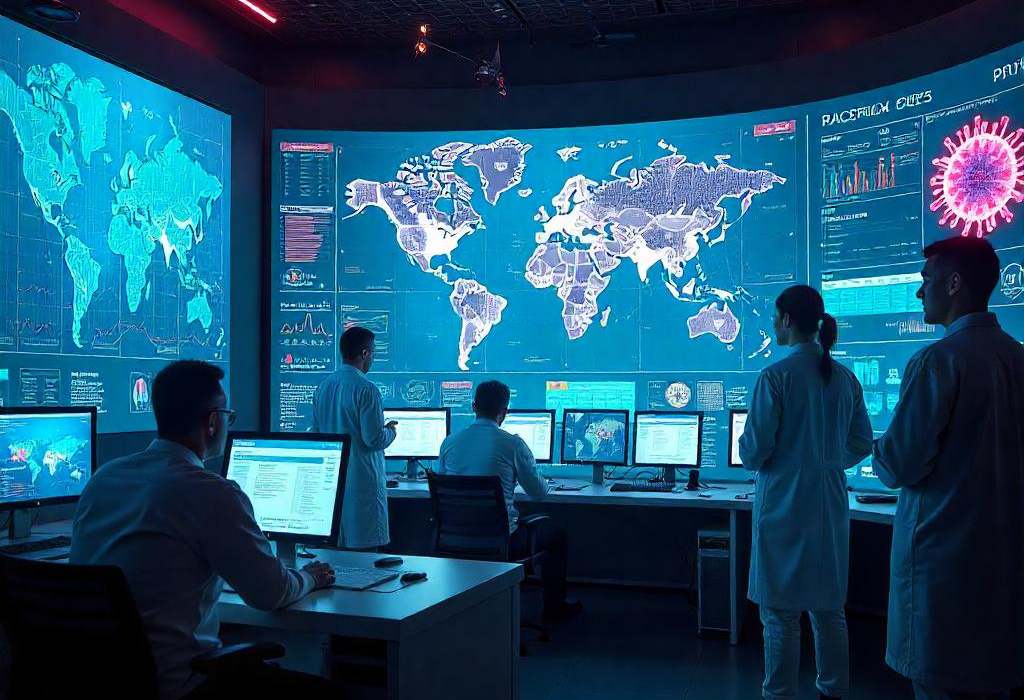
In today’s world, national security isn’t just about soldiers, satellites, and cyberattacks anymore. It’s also about biology. That’s right. Biotech and national security are becoming increasingly intertwined, as biotechnology emerges as one of the most important and potentially dangerous tools in a country’s arsenal. From creating vaccines in record time to manipulating genes and building synthetic organisms, biotech is shaping how nations protect their citizens and how they compete on the global stage.
But as powerful as these technologies are, they also come with serious risks. The question is, are we ready for what biotech and national security challenges lie ahead?
The Biotech Boom
Over the past 20 years, biotech has moved from labs and research papers into real-world applications that touch everything from medicine to agriculture to military defense. You’ve probably heard of CRISPR, the gene-editing technology that allows scientists to “cut and paste” DNA. Or the mRNA vaccines that played a starring role during the COVID-19 pandemic. These are just the tip of the iceberg.
Governments and corporations are now investing billions in synthetic biology, personalized medicine, bio-manufacturing, and even genetic surveillance. Why? Because they see biotech not just as a way to improve lives but as a tool for economic strength, public health security, and even military power.
Biotech’s Role in National Defense
If you think biotech is only about curing diseases, think again. The U.S. Department of Defense, for example, has launched several programs that focus on using biology for defense purposes, everything from developing vaccines for soldiers to detecting biological threats in real-time. China, meanwhile, is pouring resources into biotech research as part of its plan to become a global tech leader. The European Union is doing the same, emphasizing “biosecurity” and “strategic autonomy.”
Why all the attention? Because the ability to engineer biology means you can potentially defend against biological threats or create them.
The Dark Side of Biotech
Let’s be clear: most biotech is developed for good. But it’s also true that biology can be weaponized. Imagine a virus engineered to spread rapidly but resist all known treatments. Or a genetic tool designed to target people with specific DNA traits. These aren’t science fiction scenarios; they’re very real concerns that security experts are taking seriously.
There’s also the risk of accidents. Labs working with dangerous pathogens must follow strict safety rules, but as we saw during the COVID-19 pandemic, it only takes one breach to spark a global crisis.
Biotech Supply Chains: A Hidden Weakness
Another piece of the puzzle is supply chains. Right now, many countries rely heavily on others for critical biological materials like active ingredients in medicines or components used in vaccines and diagnostics.
If those supply chains are disrupted by war, trade disputes, or even natural disasters, the consequences could be devastating. That’s why many governments are now working to “re-shore” biotech production and build domestic resilience.
Who Controls Genetic Data?
As biotech advances, it’s not just about physical goods; it’s also about data. Genetic data, to be specific. Companies and governments around the world are building massive DNA databases, often using data collected from people during medical visits or ancestry tests. While this data can help develop better treatments, it also raises serious privacy and security concerns.
Some countries are now passing laws to keep their citizens’ genetic information inside their borders, worried that foreign entities might use it in harmful ways.
The AI-Bio Connection
Here’s where things get even more complex: AI is now playing a major role in biotech. Machine learning algorithms are helping scientists analyze genetic sequences, design new drugs, and even predict how diseases will evolve. That’s powerful, but it also opens the door to new risks. What happens if hackers break into a biotech lab’s AI systems? What if someone tampers with a DNA-synthesis algorithm to create something harmful? This intersection of digital and biological technology, sometimes called the “cyber-bio nexus,” is one of the newest and most unpredictable areas in national security.
So, what should be done?
- If biotechnology is going to be used as a tool against the future of national security, we had better treat it that way. This means
- Drawing up international rules on the use of genetic technologies, either for their good or their ill
- Establishing secure operational chains for the supply of biotech products
- Regulating access to powerful genetic tools
- Developing domestic innovation so a nation is not overly dependent upon any other country
- To prepare against biological threats, just like cyber or military strikes are planned against
Final Thoughts
Biotech is no longer just a niche scientific field; it’s a global force with the power to protect or destabilize entire nations. The same tools that help us fight cancer, grow more food, or prevent pandemics could also be used for surveillance, sabotage, or warfare. That’s why biotech and national security must now be viewed as inseparable concerns for governments, scientists, and the public alike. Biotech and national security together represent the next frontier. The only question now is how we choose to navigate it.