
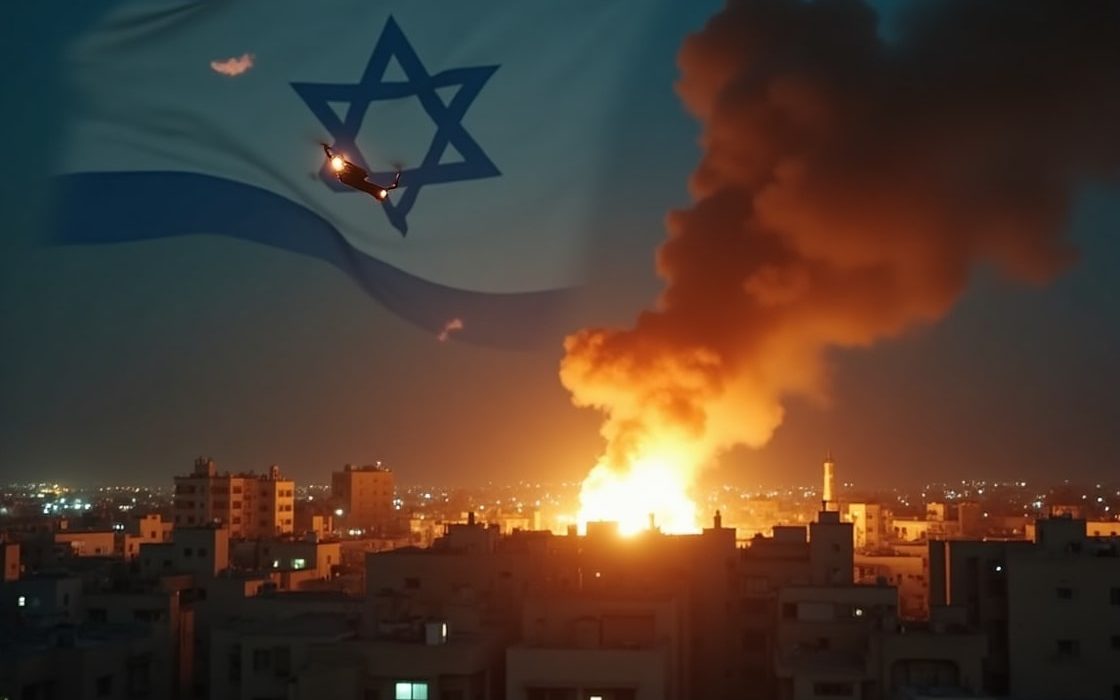
The Middle East was struck by an unexpected storm a few days into June 2025. The catalyst? Israel’s Operation Rising Lion was a daring, covert military operation that targeted Iran’s military leadership.
What transpired wasn’t merely another conflict in a tense area. The strikes were intense, well-planned, and intimate this time. Generals from Iran were killed. Hackers gained access to missile systems. Convoys carrying weapons were destroyed before they arrived at their destinations. The operation, which Israel has yet to formally confirm, has all the makings of a turning point in the ongoing shadow war between the two most powerful nations in the region.
Let’s break down what happened and why the world should care.
What Is Operation Rising Lion?
Think of Operation Rising Lion as a multi-layered offensive. It wasn’t just about dropping bombs. It was about sending a message loud and clear.
According to intelligence reports and major global news outlets, the operation had several objectives:
- Eliminate high-ranking Iranian military officials
- Disrupt the weapons pipeline to Hezbollah and the Houthis
- Launch cyberattacks to paralyze Iran’s missile systems
- Stop Iranian naval shipments in the Red Sea
All of it happened in just a matter of days, but its impact could last for years.
Major Events That Shook the Region
Strike in Tehran, June 9, 2025
This was the most shocking. A drone attack occurred deep inside Iran’s capital. The target was Brigadier General Hamid Reza Ramezani, one of the key figures behind Iran’s drone and missile program. He was killed instantly, along with several senior officers. Iranian officials called it an act of war. Israel hasn’t claimed responsibility but the precision and style were unmistakably Israeli.
Air Raids in Syria Deir ez-Zor and Homs
Almost simultaneously, Israeli jets hit Iranian-controlled military sites in Syria. These locations stored advanced missiles believed to be headed for Hezbollah in Lebanon. Footage from the sites showed widespread destruction. Syrian officials admitted to “significant casualties.”
Red Sea Naval Interceptions
Two Iranian cargo ships were stopped in the Red Sea, allegedly carrying drone components and weapons to Houthi rebels in Yemen. Israeli naval forces, possibly with U.S. intel, boarded and seized the ships. This was a bold move maritime operations of this kind are rare and risky.
Cyberattack on Iranian Missile Systems
This one flew under the radar but may have been the most damaging. Israeli cyber units reportedly shut down key command systems in Iran. This delayed missile tests and disrupted communication between Iranian forces and their proxies. Cybersecurity experts call it one of the most impressive digital attacks in recent years.
Hezbollah’s Response
Hezbollah responded quickly. Observers spotted troop movements near southern Lebanon, and the group’s leader, Hassan Nasrallah, issued a threat of retaliation. Israel responded by reinforcing northern defenses and urging civilians to prepare for possible escalations.
Why Now? Why Is This Bold?
Israel has always taken a hard stance against Iran, but Operation Rising Lion feels different. It’s more direct. More surgical. And more public.
Here’s what likely triggered it:
- Iran’s expanding power in the Middle East, particularly through proxy organisations.
- There is a pressing need to prevent drones and precision missiles from entering Israel.
- Israel is being forced to act alone as a result of the United States withdrawing from its Middle East obligations.
Finally, Israel was able to act quickly and accurately thanks to new AI and cyber capabilities.
“This Won’t Go Unanswered” is Iran’s response.
The Iranian leadership quickly retaliated with threats of war.
Top Iranian security official Ali Shamkhani declared, “This was a national attack on our soul.”
Iran placed its military on high alert. Iran has instructed its regional allies militias in Iraq, Syria, and Lebanon to prepare for action. Some experts believe it is already planning a multi-front retaliation.
Global Impact: Beyond the Middle East
This isn’t just a regional affair anymore. The world is already feeling the effects:
Oil Prices Soar
Fears of conflict in the Strait of Hormuz sent oil prices through the roof. Brent crude jumped to over $100 per barrel, and energy markets worldwide went on edge.
World Powers Respond
- The U.S. showed cautious support for Israel’s right to self-defense.
- China and Russia condemned the strikes, warning of dangerous escalation.
- Europe called for calm and pushed for emergency diplomatic talks with Iran.
A Glimpse into Modern Warfare
If anything, Operation Rising Lion gives us a preview of future wars:
- Fought partly through cyberattacks and AI
- Fought without officially being declared
- And fought across borders, seas, and screens
This wasn’t just a battle. It was a message. Israel no longer waits for attacks it strikes first and ensures every move counts.
What’s Next in the Israel-Iran Conflict? Rising Fears of a Wider Middle East War
What happens next is unclear. Will Iran retaliate militarily? Could Hezbollah escalate the conflict from Lebanon? And is the region bracing for a full-scale Middle East war in 2025? What’s undeniable is this: the rules of engagement have changed. Israel’s Operation Rising Lion has redrawn the regional red lines and the consequences could redefine Middle East security for years to come.