
Iran Army Chief Killed: Tehran Plans Retaliation
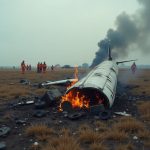
The killing of Iran’s army chief, Major General Mohammad Bagheri, marks one of the most serious escalations in the Middle East in recent years. Israeli airstrikes rocked Tehran, eliminating its top military leader and targeting several key IRGC commanders and nuclear scientists. As a result, tensions in the region escalated rapidly. The phrase “Iran army chief martyred” is now dominating headlines as the consequences ripple across the region from missile barrages over Tel Aviv to urgent diplomatic responses at the United Nations.
Israel Kills Iran Army Chief: Here’s Who Else It Targeted in the Strike
- Major General Mohammad Bagheri, Chief of Staff of Iran’s Armed Forces confirmed dead by both Israeli and semi-official Iranian sources
- Major General Hossein Salami, commander-in-chief of the IRGC
- General Amir Ali Hajizadeh, head of the IRGC Aerospace Force
- Six nuclear scientists, and several top commanders including Gholam Ali Rashid
- Israeli Strike Injures Ali Shamkhani; Quds Force Leader Esmail Qaani Still Missing
“The nation is in shock this goes beyond a military loss,” stated a political analyst live on Iranian state television.
Global Reaction: Shock, Silence, and Oil Shockwaves
Israel’s Prime Minister Benjamin Netanyahu defended the strikes as “necessary and preemptive.” According to his statement, Iran was “dangerously close to breakout capability.”
However, the international response has been mixed:
- The U.S. denied involvement and evacuated troops from select bases in Iraq
- Oil prices spiked on global markets, as fears of wider conflict grew
- The UN Security Council called an emergency session to urge restraint
Iran’s Response: Operation True Promise III
Iran wasted no time. Within 12 hours, Tehran launched over 150 ballistic missiles and 100+ drones at Israeli targets.
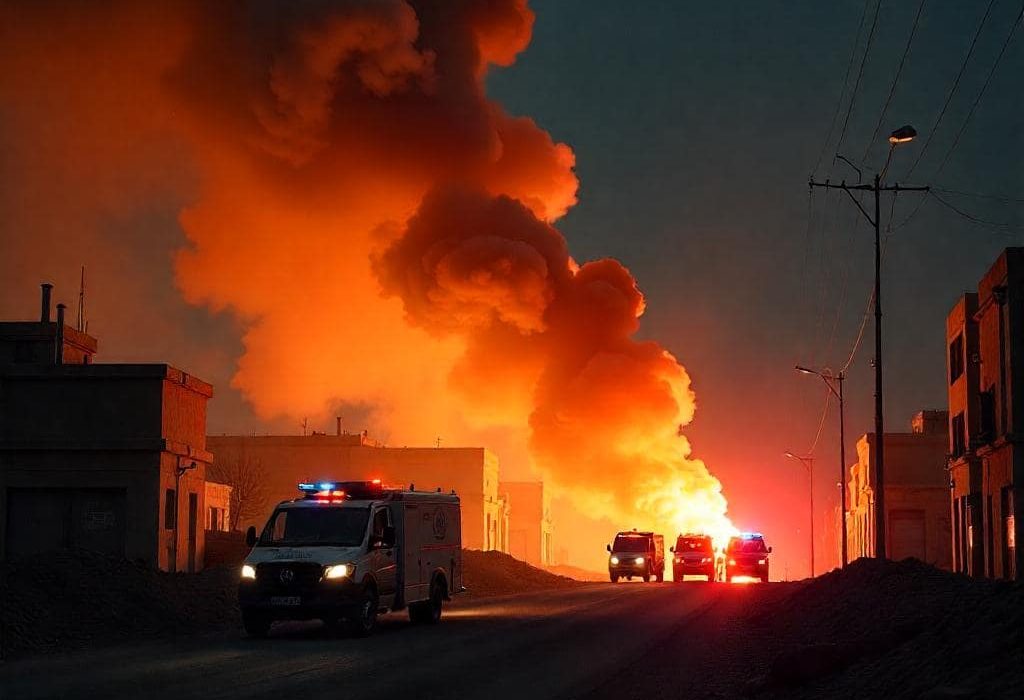
While Israel’s Iron Dome intercepted most of the missiles, several broke through and struck areas near Tel Aviv and Jerusalem. The attacks injured multiple civilians and briefly disrupted air traffic.
“We targeted only military infrastructure, not civilians,” said an IRGC spokesperson in a televised briefing.
Iran Army Chief Killed: What This Means for Iran
- 1. Military Decapitation
- Iran’s chain of command is in turmoil. Following the deaths of several top IRGC leaders, Tehran appointed Admiral Habibollah Sayyari as the temporary commander to stabilize the military chain of command.
- The psychological and structural blow is severe. A military historian from Tehran University noted, “The IRGC’s brain has been rattled.”
- 2. Escalation Risks
- Iran has warned of follow-up attacks targeting Israeli economic assets and potentially U.S. bases in the Gulf.
- Analysts believe proxy groups like Hezbollah, the Houthis, and Shiite militias across Syria and Iraq are mobilizing.
- 3. Nuclear Talks on the Brink
- Analysts fear that nuclear diplomacy is dead. Iran’s Supreme Leader Ayatollah Khamenei stated: “This blood must be avenged. The Zionist regime has crossed a line.”
What Comes Next?
Iran’s parliament convened in an emergency session. Sanctions relief, nuclear talks, and diplomacy seem to be on hold possibly for good.
The question now is: Will Tehran hold back, or will this spark an all-out regional war?
Conclusion
The assassination of Major General Mohammad Bagheri and top IRGC commanders marks a turning point. Meanwhile, Iran’s military has suffered a major blow but it remains active and determined to respond. Its swift retaliation, Operation True Promise III, could be just the beginning. As regional players brace for more, the world watches anxiously. What happens next may reshape the Middle East for years to come.